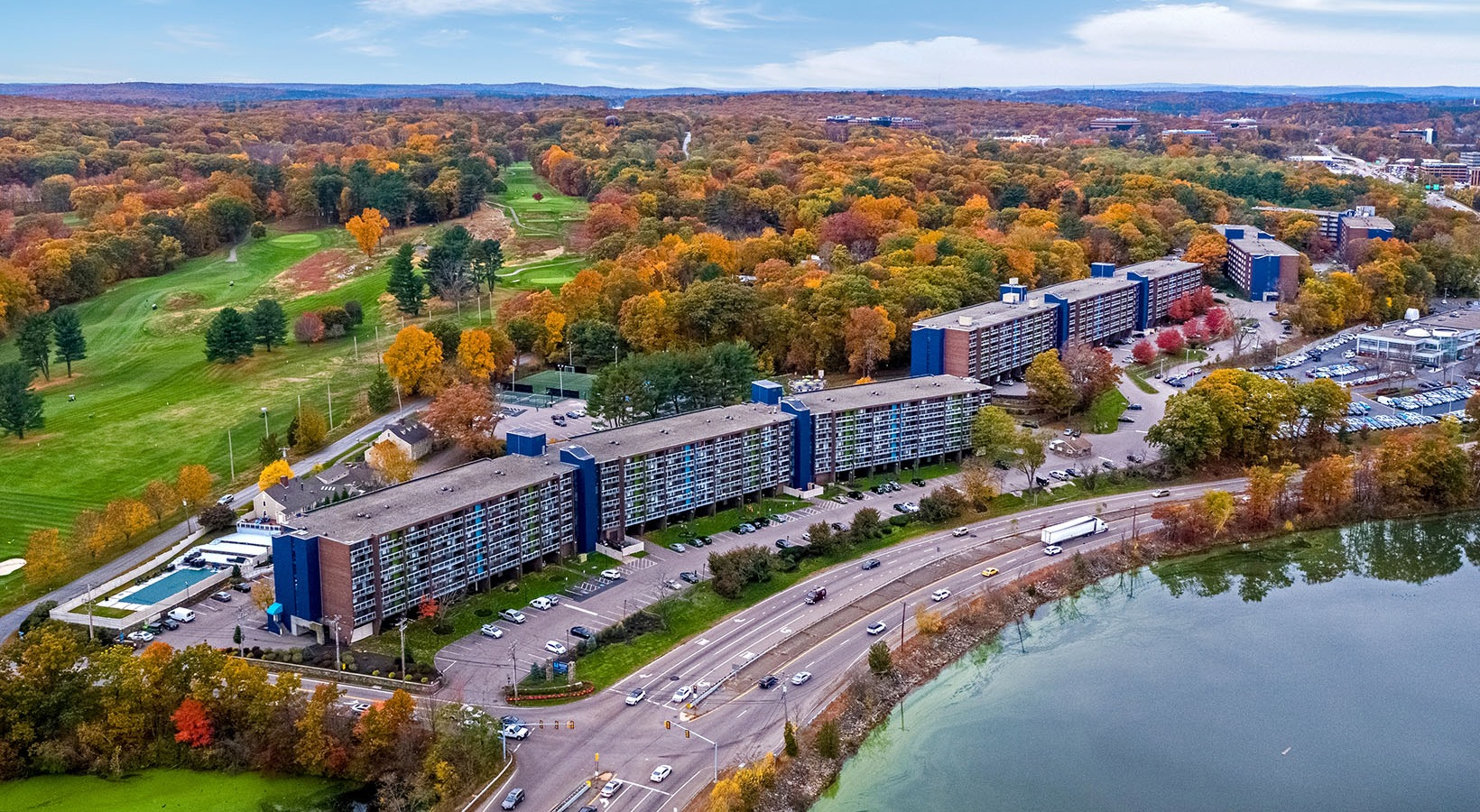
The Green at 9&90 presented a profile familiar across the vintage multifamily stock of the northeastern United States: a large, well-located asset held back by the compounding inefficiencies of aging infrastructure. Across six buildings and 1,020 units in Framingham, Massachusetts, outdated and inefficient mechanical systems were driving utility costs and operational expenses to levels that eroded NOI and made rent growth difficult to sustain.
The financial picture was characteristic of vintage multifamily assets that have not undergone comprehensive capital improvement. High utility bills reduced the net income available to ownership while limiting the property's ability to compete with newer, more efficiently operated assets in the same market. Stagnant rent growth and constrained property value reflected the operational reality of a building that needed more than cosmetic improvement to realize its financial potential.
At the same time, the scale of the asset created a meaningful opportunity. With 1,020 units across six buildings, the economics of comprehensive retrofitting at The Green at 9&90 were compelling. Utility savings, incentive capture, and rent growth potential at this scale produce financial outcomes that justify the investment required to do the work properly, and the Massachusetts incentive environment through MassSave and local utility programs made the economics of a full-scope retrofit program particularly strong.
Kayne Anderson and Taurus Investment Holdings engaged EcoSmart to design and deliver a comprehensive building performance retrofit that would reset the property's operating economics, capture the available incentive opportunity, and position the asset for sustained financial outperformance.
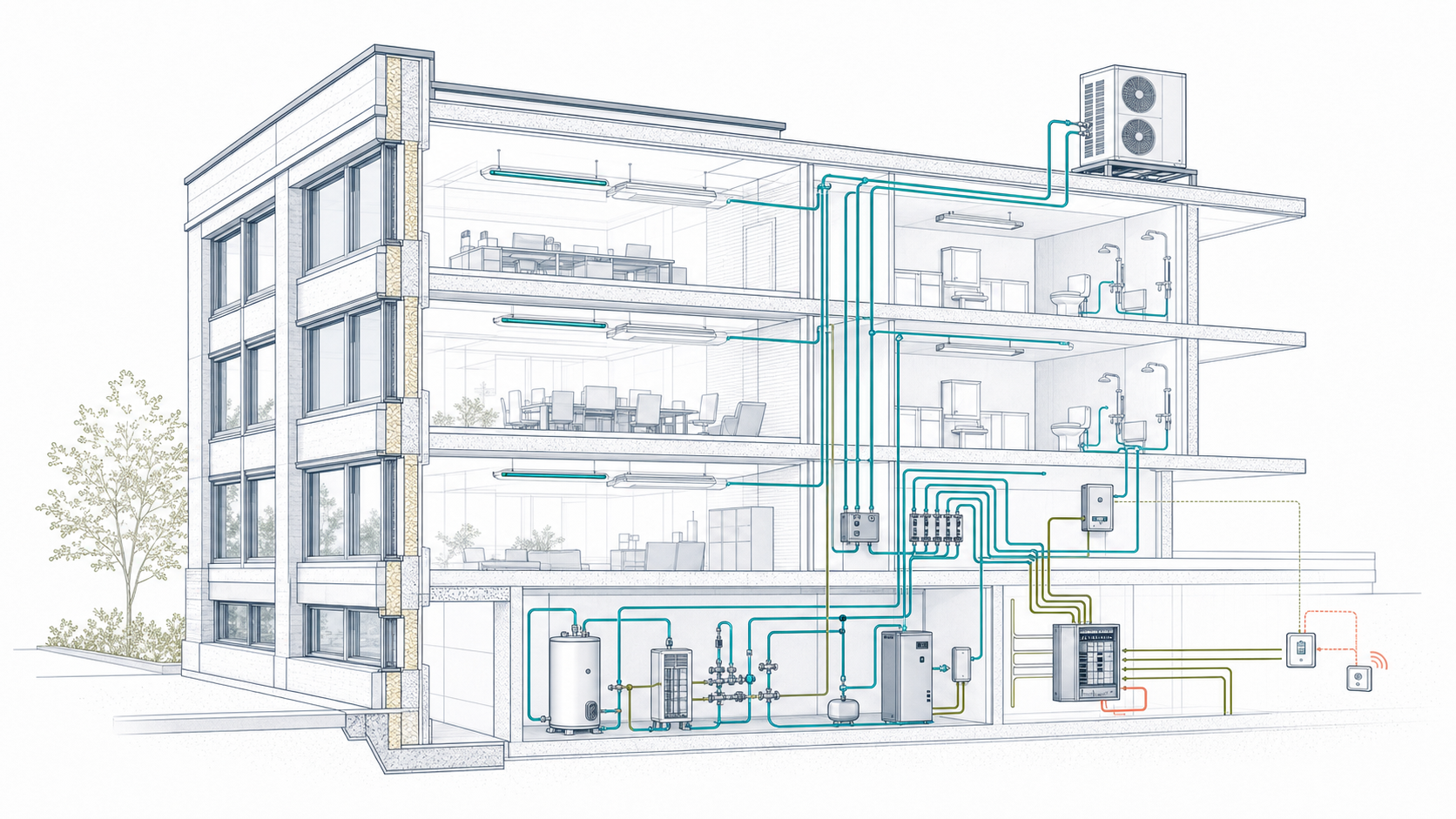
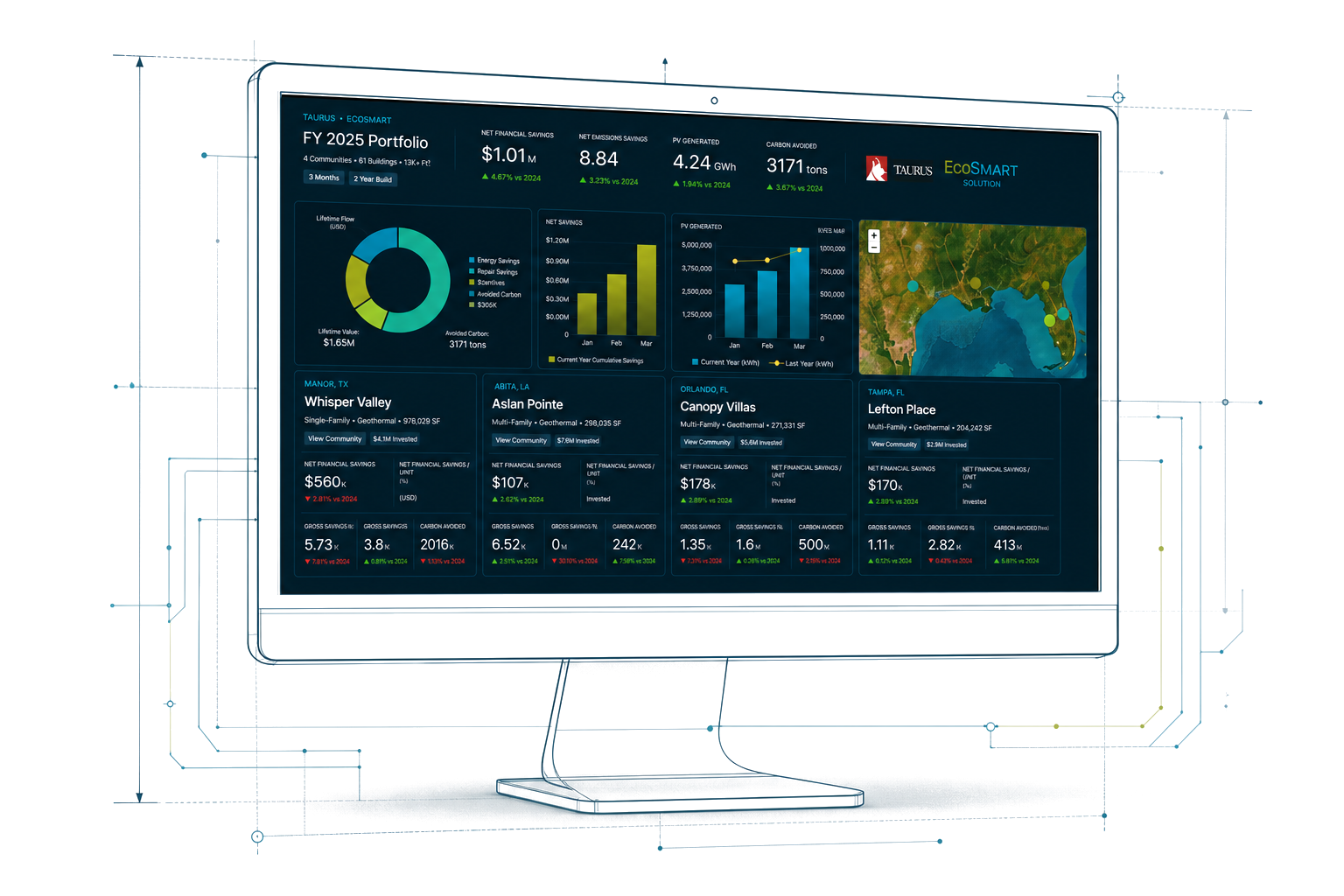
EcoSmart delivered a full-scope building performance retrofit across all six buildings, engineered for long-term financial performance and executed without displacing existing tenants. Renovations were sequenced and managed to minimize community disruption throughout the construction process, preserving occupancy stability and resident relationships across a 1,020-unit occupied asset.
Mechanical Systems: Cold-Climate Heat Pump Conversion
Highly efficient cold-climate air source heat pumps were installed across the property, replacing outdated HVAC systems with modern equipment engineered for Massachusetts's heating-dominated climate. Cold-climate heat pump technology maintains high efficiency at low outdoor temperatures, reducing both energy consumption and the fuel cost exposure associated with conventional heating systems. The conversion materially reduced the property's energy use intensity and eliminated the recurring maintenance burden of aging mechanical equipment across six large buildings.
Rooftop Solar
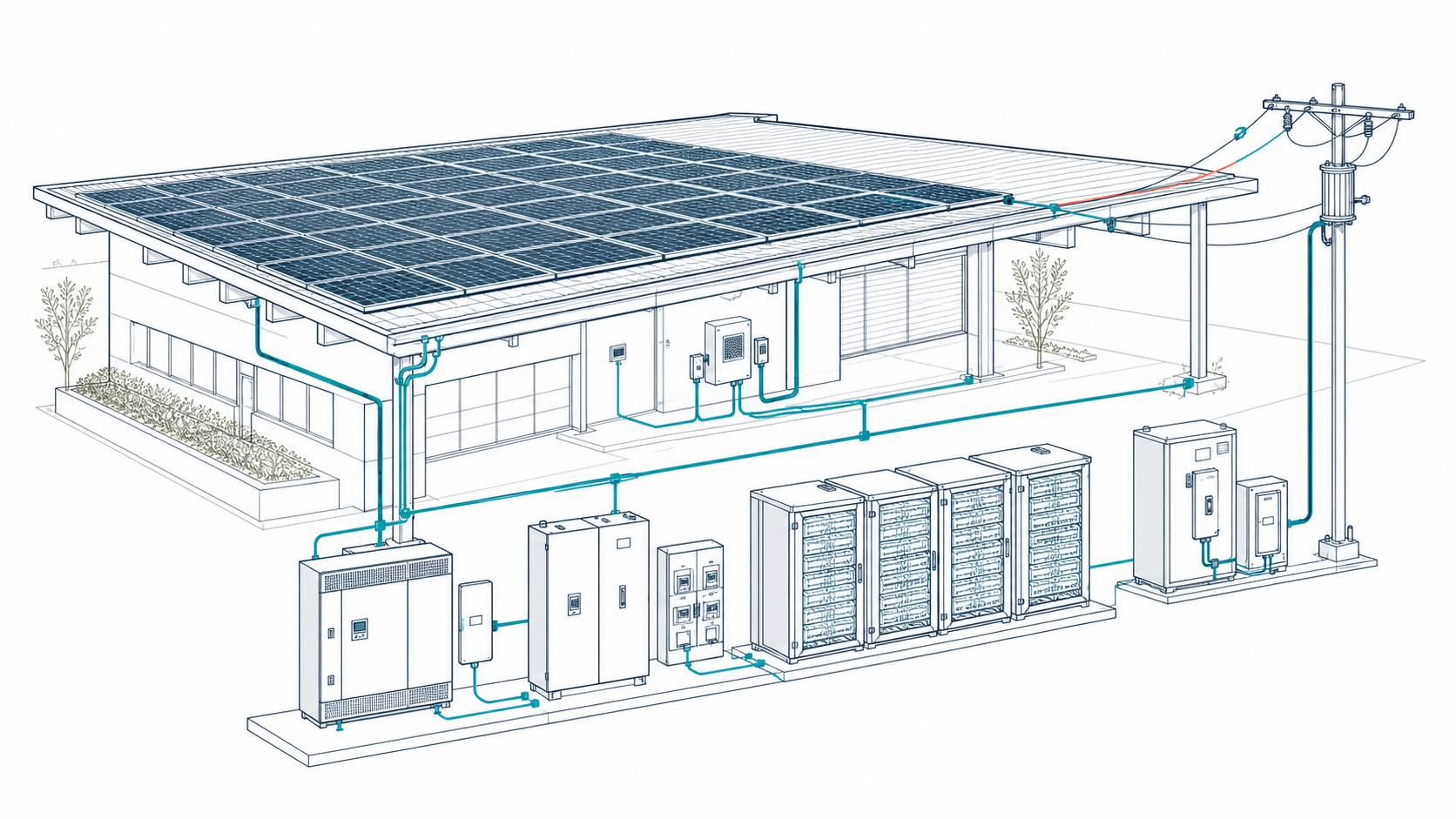
1.5 MW of rooftop solar PV was installed across the building stock, projected to generate 1,946 MWh annually once fully operational in 2026. The solar installation was designed to work in conjunction with the reduced electrical demand created by the heat pump conversion, maximizing the financial impact of on-site generation across the community.
LED Lighting
Full LED conversion across common areas, building exteriors, tenant units and parking reduced lighting-related electricity consumption and eliminated the recurring maintenance costs associated with conventional lighting systems at this scale.
Water Conservation
Low-flow plumbing fixture replacements throughout all 1,020 units reduced water consumption and operating cost meaningfully. The water efficiency program generated $465,000 in annual water savings in 2024, equivalent to conserving 10,097,897 gallons annually, demonstrating the financial materiality of water efficiency as a component of a comprehensive retrofit program.
Incentive Capture
EcoSmart identified and is managing $5.33M in incentives and credits across the project, including a $4.7M rebate from the local utility and $630K in alternative energy credits. Incentive identification and monetization were structured into the project capital plan from the outset, with EcoSmart managing the application, documentation, and processing of all programs as part of its scope.
Measured and projected results from The Green at 9&90 confirm the financial and energy performance case for comprehensive retrofit investment on large-scale vintage multifamily assets in high-incentive markets.
4,388 MWh saved annually, representing a material reduction in grid electricity consumption across the property driven by the cold-climate heat pump conversion and efficiency improvements.
2,640 tons of CO2 avoided annually, supporting the property's ESG positioning and the sustainability reporting requirements of institutional ownership.