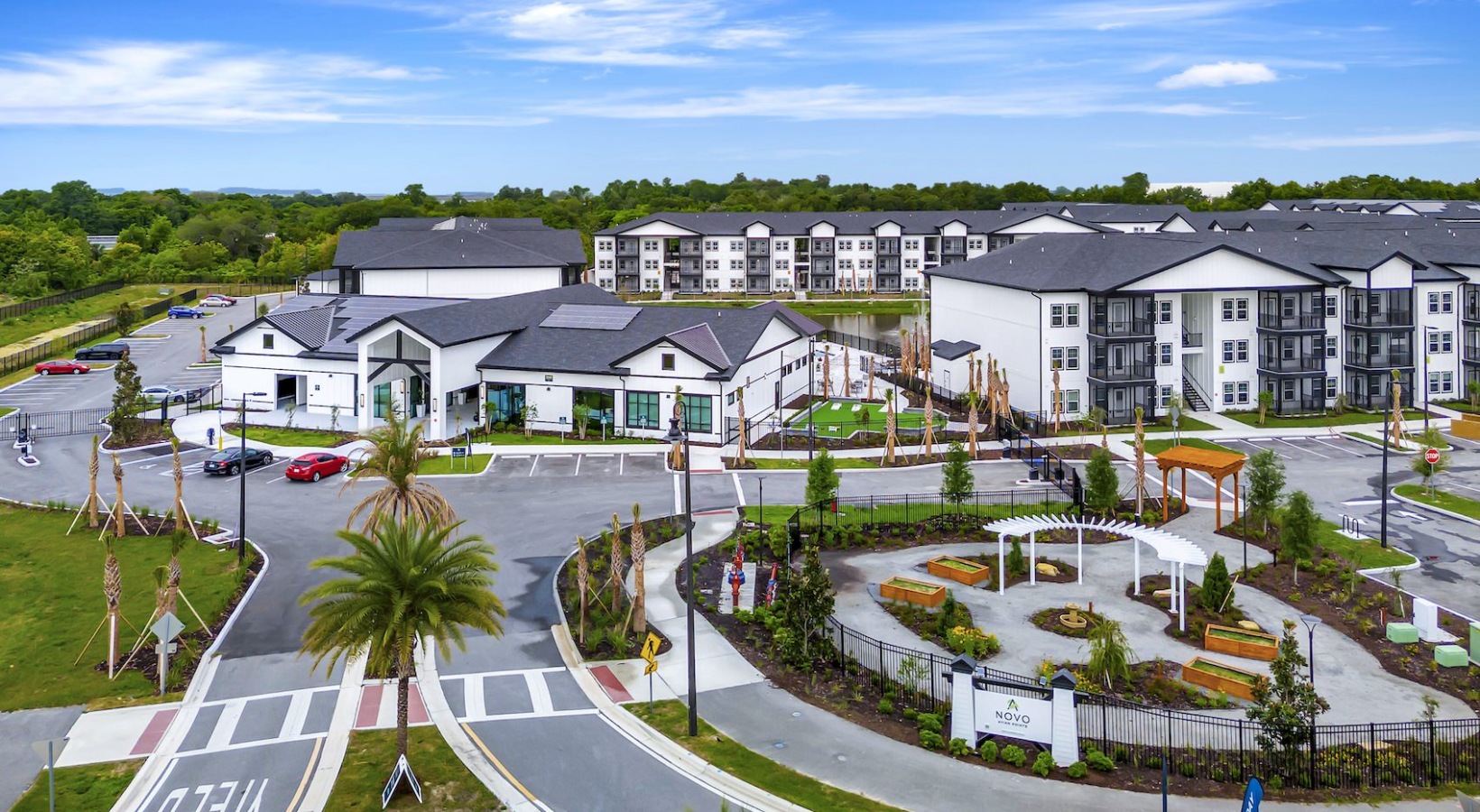
Before NOVO Avian Pointe, multifamily development in Florida operated within a set of familiar and expensive constraints that most developers had simply accepted as the cost of doing business in a hot, humid climate.
Conventional HVAC systems drove high electricity consumption year-round, elevating operating expenses and creating significant peak-load stress on building infrastructure. Standard mechanical equipment placed outdoors was vulnerable to Florida's extreme heat, hurricane exposure, and grid disruptions, leading to premature wear, inconsistent performance, and maintenance costs that compounded over time. The result was a recurring capital burden that eroded NOI and created unpredictable operating conditions for residents and operators alike.
At the development level, geothermal HVAC technology had matured to the point where its long-term economic advantages were well understood. Despite this, developer adoption remained limited. The perceived complexity of district-scale geothermal infrastructure, combined with uncertainty around upfront capital requirements, kept most multifamily developers anchored to conventional mechanical systems even when the long-term financial case for geothermal was clear.
Taurus Investment Holdings and EcoSmart set out to challenge that status quo at NOVO Avian Pointe, pursuing a high-performance energy infrastructure that could demonstrate the financial and operational case for geothermal at scale.
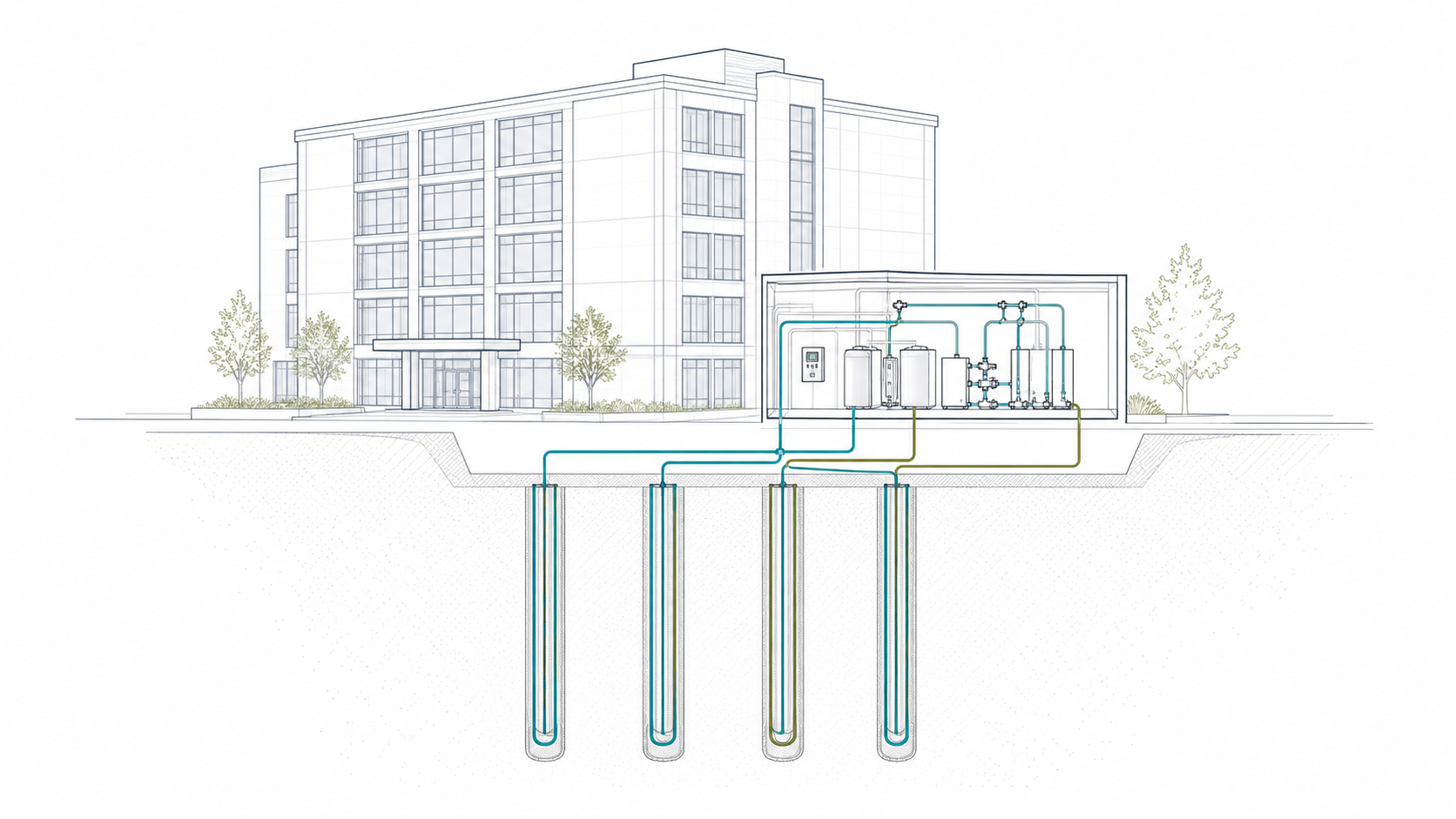
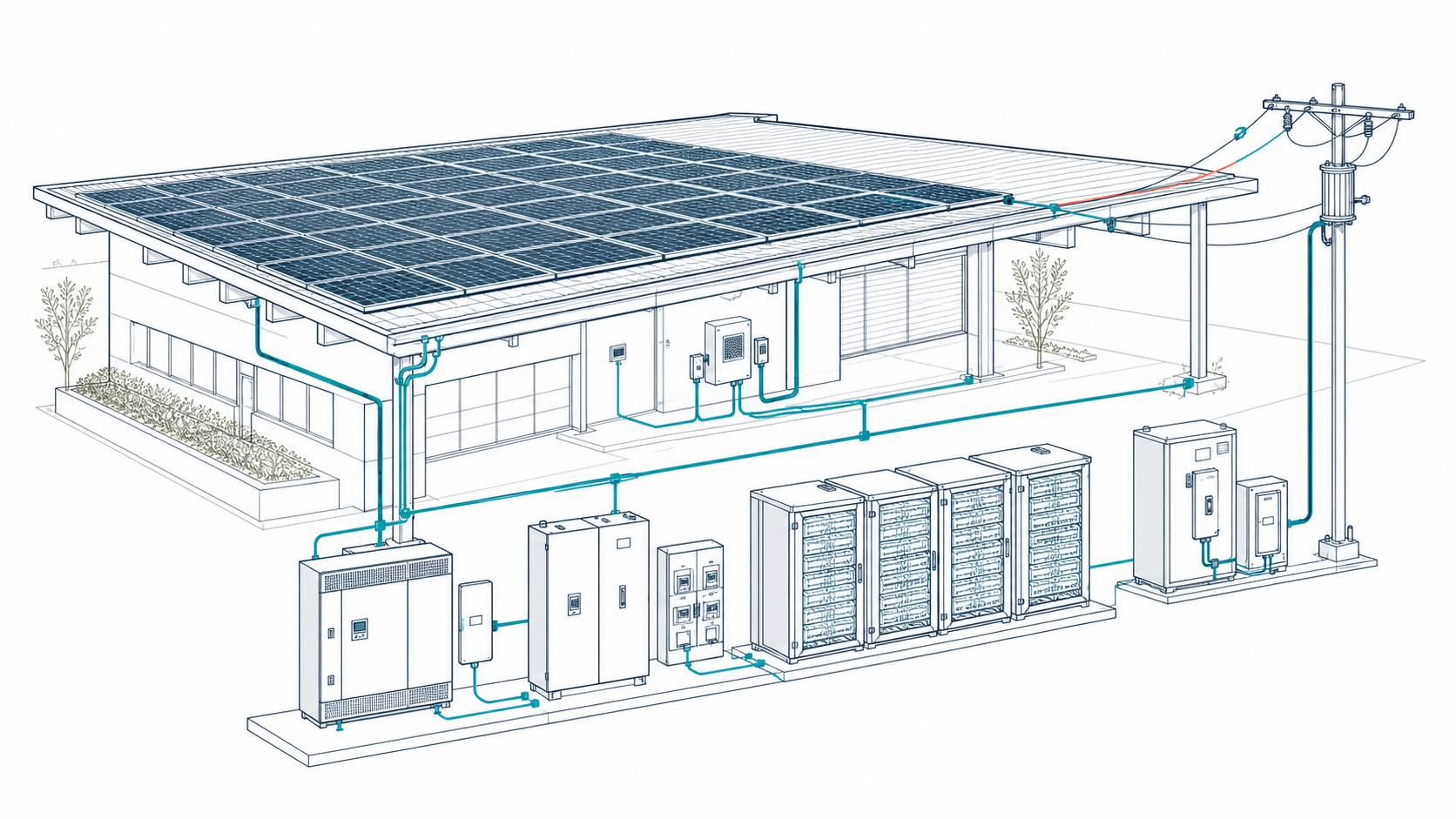

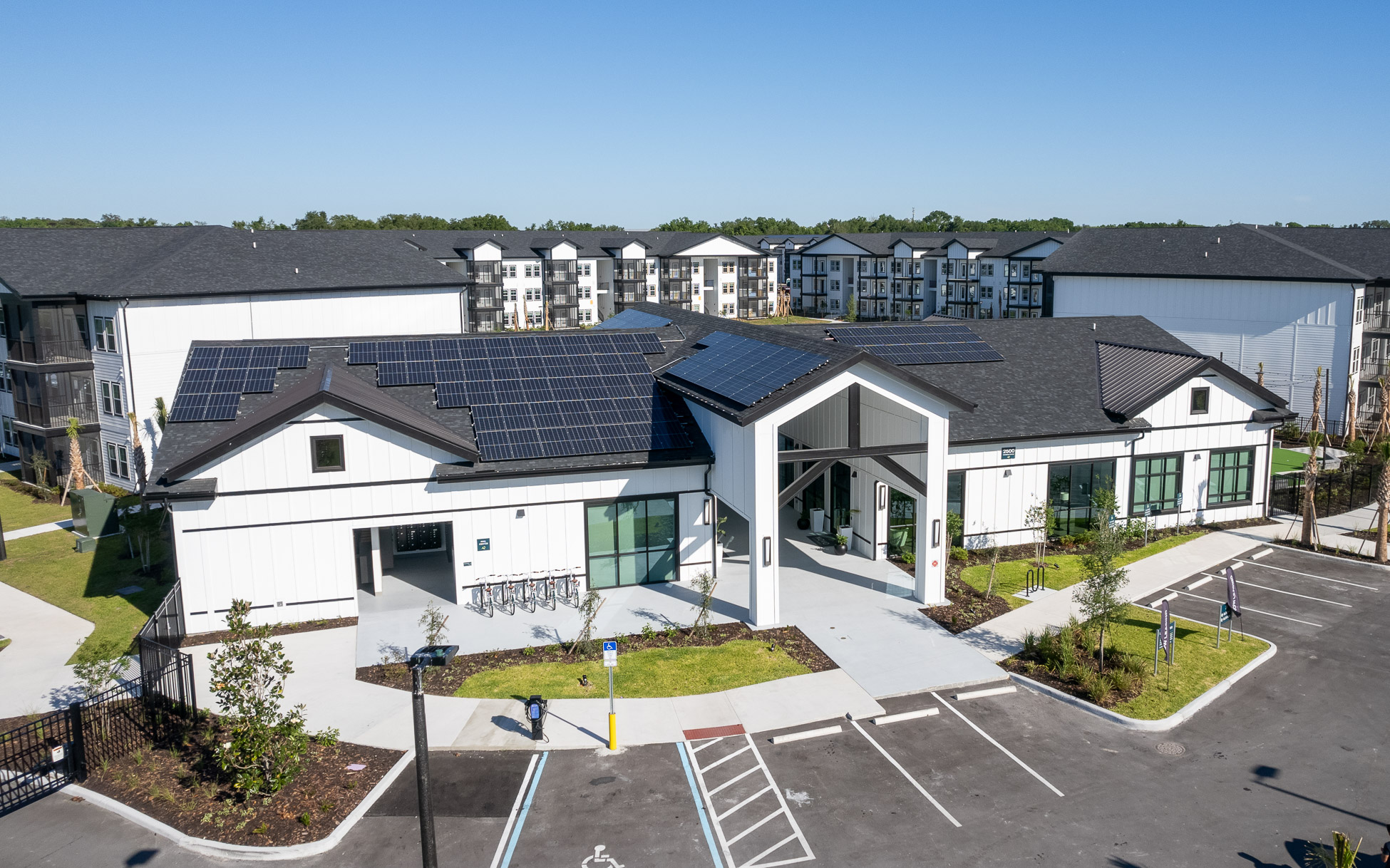
EcoSmart delivered a fully integrated, turnkey clean-energy ecosystem engineered for efficiency, resilience, and long-term financial performance.
District Geothermal System
Two district geothermal loops tap into the Floridan Aquifer's stable year-round temperatures to heat and cool all 276 units. The aquifer's thermal properties allow the system to operate at significantly higher efficiency than conventional HVAC, while the underground loop infrastructure carries a 50-year service life that eliminates the recurring mid-life capital events associated with conventional outdoor mechanical equipment. All heat pump equipment is installed indoors, removing it from Florida's extreme weather exposure and extending operational lifespan.
EcoSmart managed the Investment Tax Credit monetization and capital stack structuring as part of its scope, materially reducing the net cost of the geothermal infrastructure for the development.
Rooftop Solar
254 kW of rooftop solar was installed across the community to offset common-area electrical loads. Geothermal's inherently low electricity demand made the solar installation more impactful than it would be in a conventionally mechanized building, reducing the system size needed to generate meaningful savings and improving the overall economics of the on-site generation strategy.
EcoNOC®
EcoSmart integrated EcoNOC® across the community from day one of operations, providing real-time unit-level and system-level visibility into energy consumption, equipment health, and efficiency trends. The platform enables proactive maintenance intervention before issues affect residents or operating costs, supports ESG reporting for institutional investors, and provides the verified performance data that underpins the project's financial outcomes.
Monitored and modeled performance from September 2024 through September 2025 extrapolated for full occupancy confirms that the GeoGrid® geothermal and solar systems materially outperform local multifamily baselines across every measured dimension.
32% average monthly energy savings compared to comparable conventional new construction in the Orlando area, maintained consistently across both the winter heating season and summer cooling peak. Summer cooling loads averaged 44 percent savings, demonstrating the system's particular strength during Florida's most energy-intensive months.
1,173 MWh of energy saved over the performance period, equivalent to powering approximately 110 U.S. homes for a full year.
436 tons of CO2 emissions avoided annually, equal to removing approximately 95 gasoline-powered vehicles from the road each year.
$54 per month in average resident energy savings, delivering a tangible affordability benefit that supports occupancy stability and resident satisfaction.
Performance remained stable and predictable through substantial seasonal temperature swings, extreme Florida weather events, and grid stress conditions, validating the resilience advantages of the district geothermal approach over conventional outdoor mechanical systems.