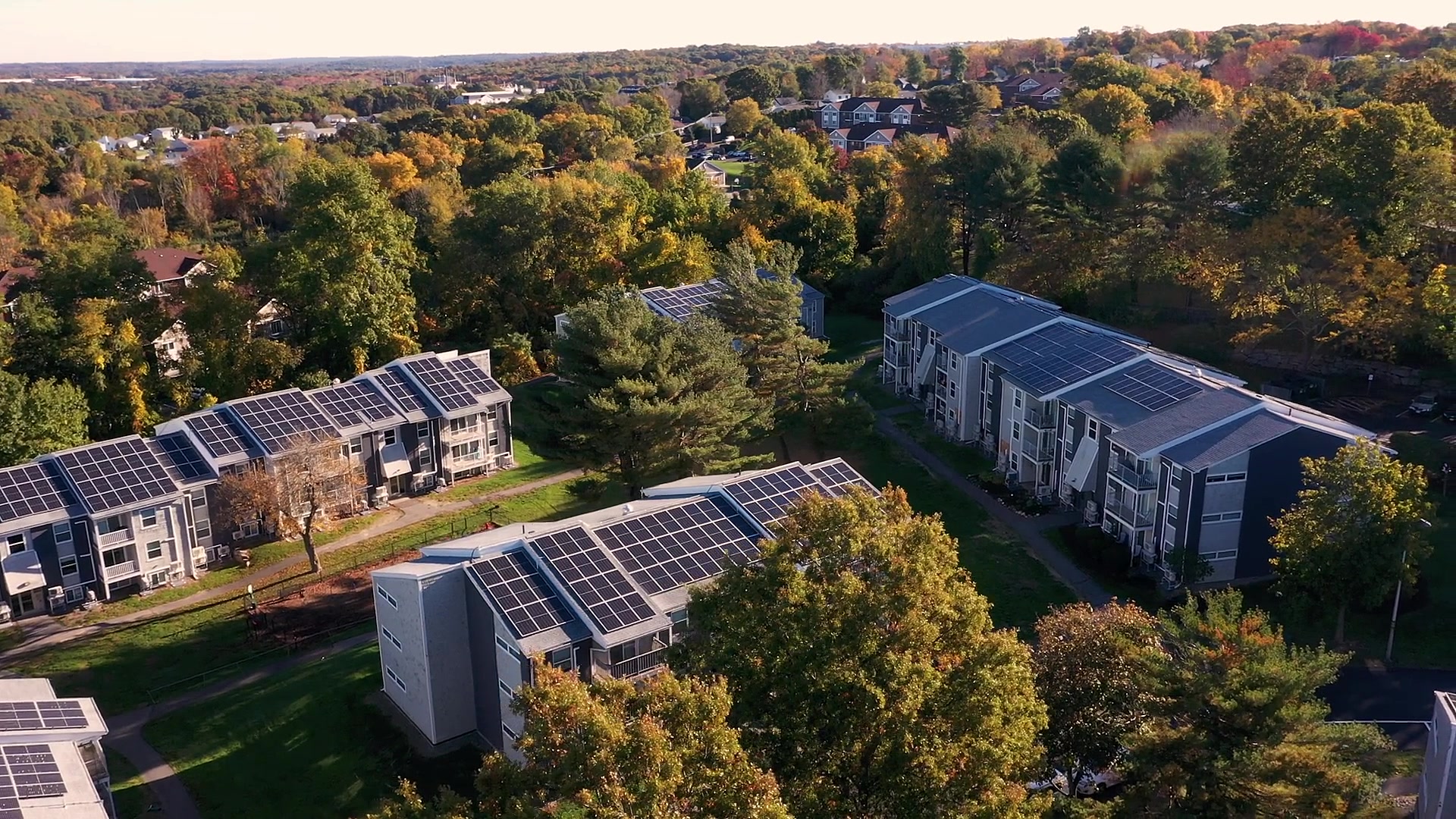
When Taurus Investment Holdings acquired South Winds in 2016, the property reflected the accumulated deferred maintenance and systemic underinvestment that characterizes a large segment of the workforce housing stock across the northeastern United States. Built in 1972 across 27 garden-style buildings, the complex carried the mechanical systems, building envelope, and infrastructure of its era: outdated, inefficient, and increasingly costly to operate.
The financial consequences were direct and compounding. Aging building materials and mechanical systems drove utility costs to levels that eroded NOI and created operating unpredictability that could not be managed through conventional property management. Heating in particular was a significant cost driver in Massachusetts's cold climate, where conventional systems operated far below the efficiency levels available through modern cold-climate heat pump technology.
The operational challenges translated directly into occupancy and revenue problems. Resident dissatisfaction with building conditions contributed to persistent vacancy, and the property's condition made rent growth difficult to achieve in a market where comparable assets were pulling meaningfully higher rents. The gap between in-place NOI and the property's potential was substantial, but closing it required more than cosmetic improvements. The building envelope, mechanical systems, and energy infrastructure all needed comprehensive replacement, not incremental repair.
The conventional value-add playbook, focused on unit finishes and amenity upgrades, would not address the root causes of the property's underperformance. Taurus Investment Holdings and EcoSmart pursued a different approach: a comprehensive, performance-focused retrofit that would reset the building's operating economics from the foundation up.
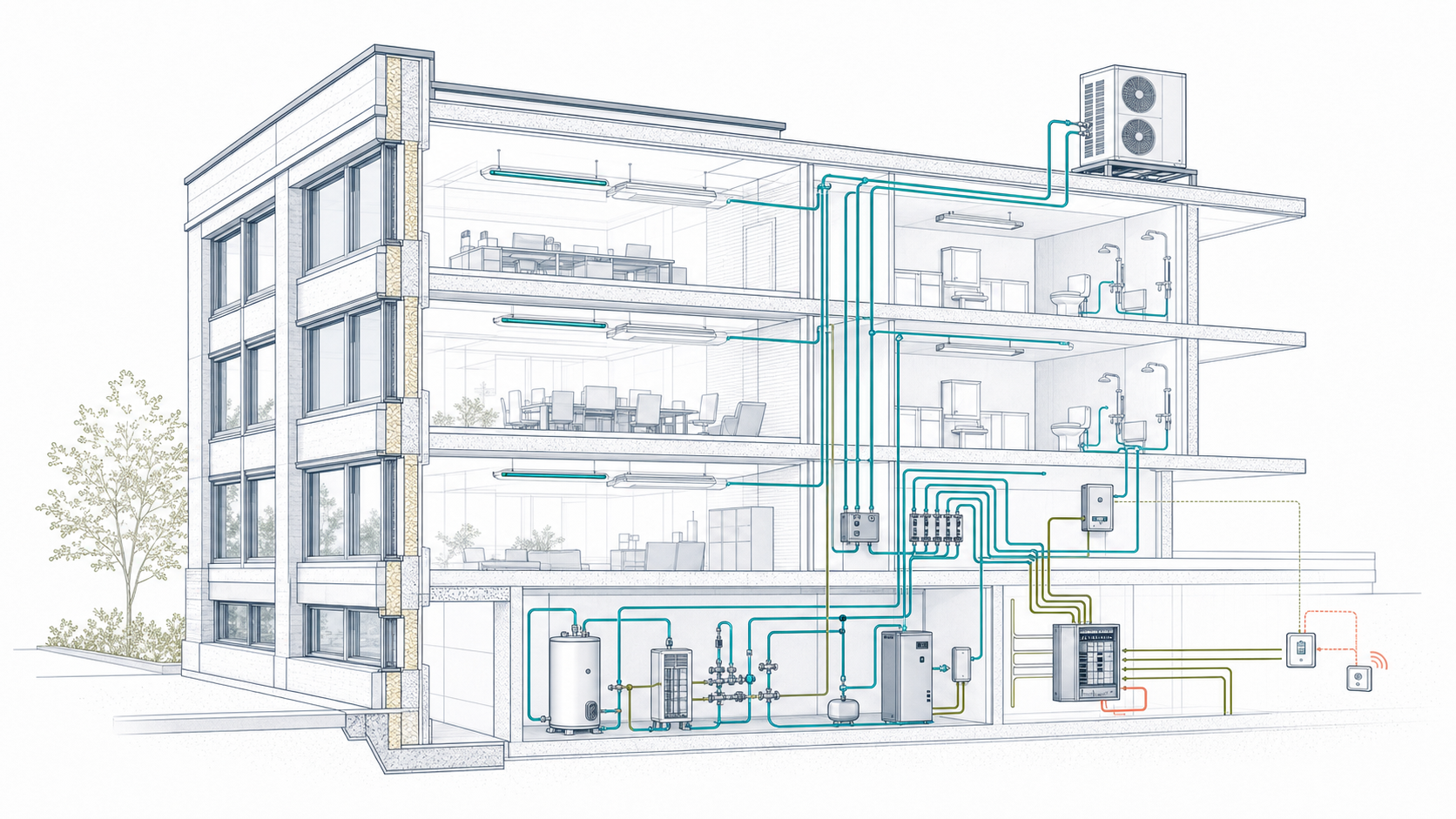
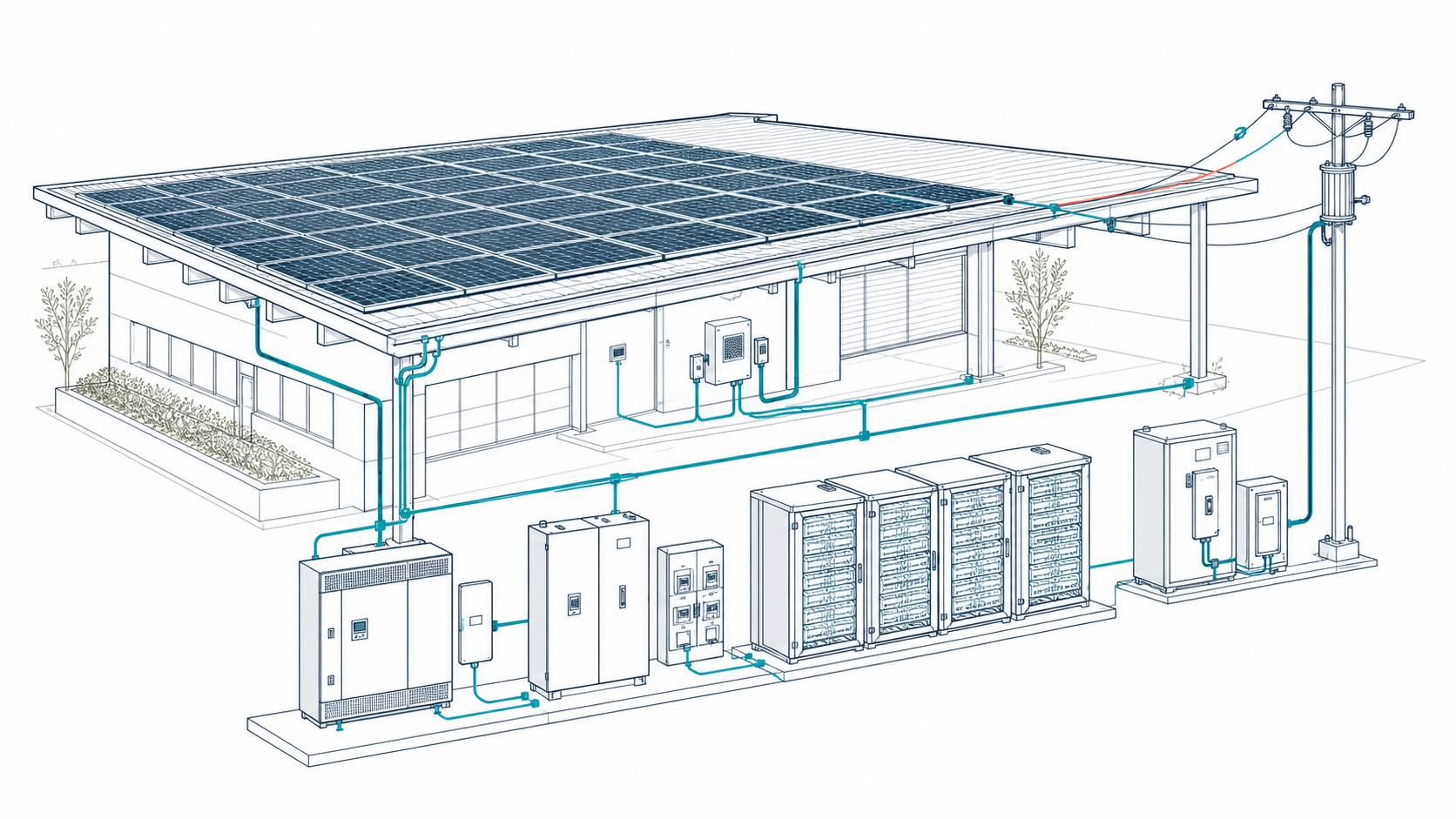
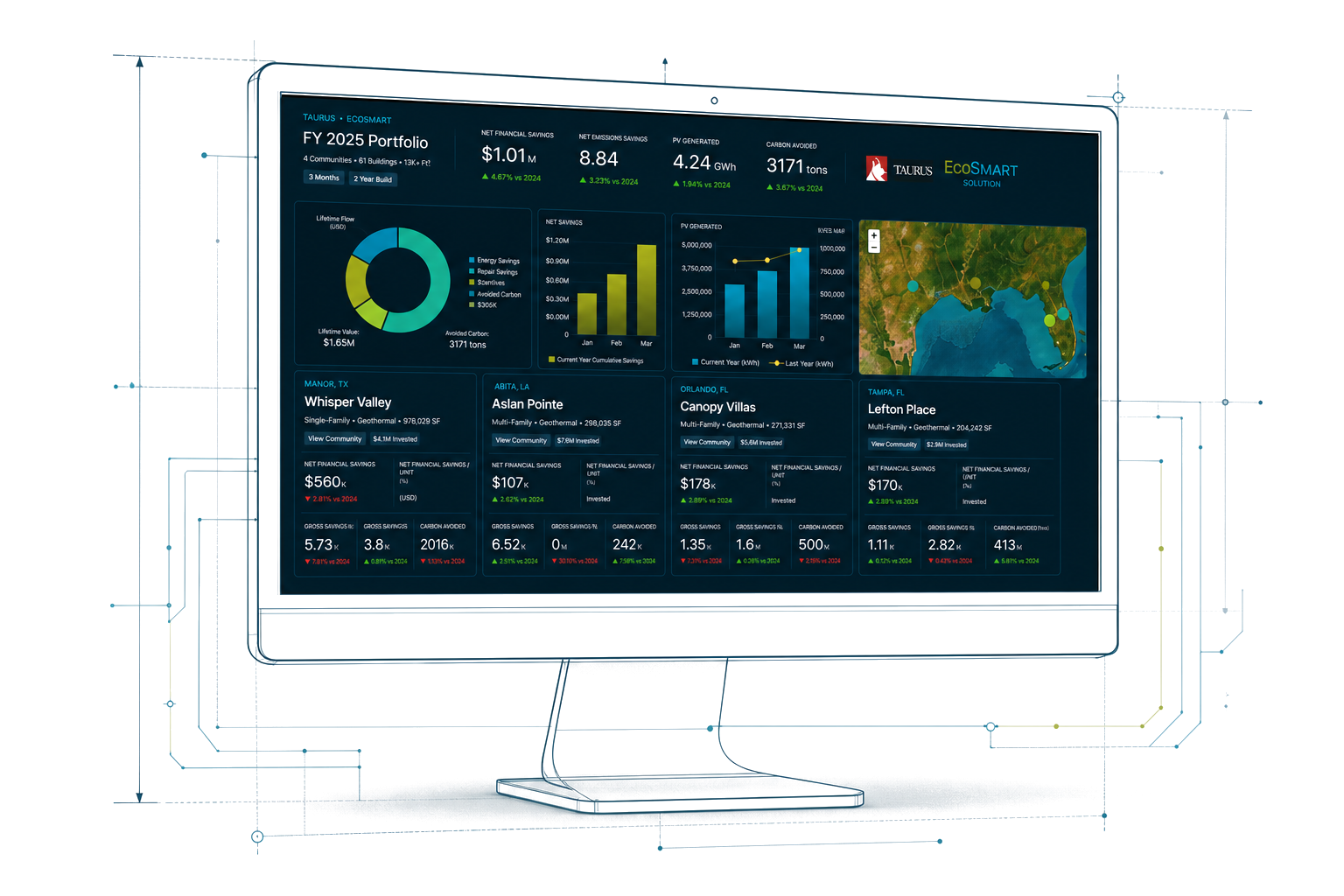
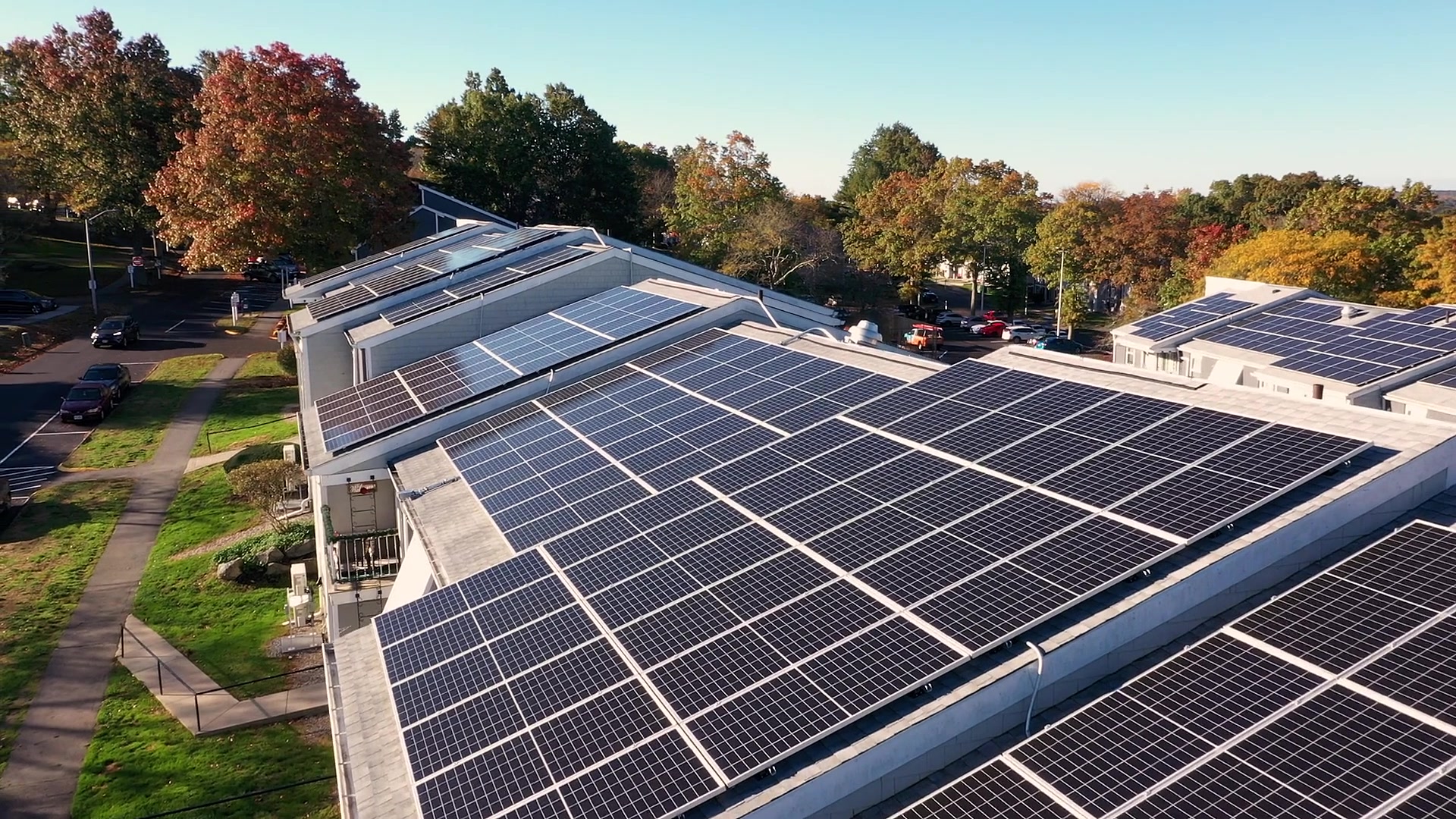
EcoSmart delivered a full-scope building performance retrofit across all 27 buildings, structured to address every dimension of the property's operational underperformance simultaneously. The program was engineered for long-term financial performance rather than minimum viable improvement, with scope driven by energy modeling and financial return analysis rather than first cost.
Building Envelope
Upgraded doors and windows, improved roof insulation, and comprehensive weatherization measures reduced the building's heating and cooling load across all 27 structures. Envelope improvement was the prerequisite for mechanical system right-sizing: by reducing the load the HVAC system needed to serve, EcoSmart was able to specify smaller, more efficient equipment and improve the return on the mechanical investment.
Mechanical Systems: Cold-Climate Heat Pump Conversion
1,110 advanced cold-climate air source heat pumps replaced the property's legacy heating and cooling systems across all units and buildings. Cold-climate heat pump technology is specifically engineered for the temperature conditions of Massachusetts winters, maintaining high efficiency at outdoor temperatures well below the threshold where conventional heat pumps lose effectiveness. The conversion eliminated combustion-based heating across the property, reducing both fuel cost exposure and the maintenance burden associated with aging gas equipment.
Rooftop Solar
1.3 MW of rooftop solar PV was installed across the building stock, generating 2,430 MWh annually and reducing dependence on grid electricity for common area and building loads. The solar installation was sized and positioned to work in conjunction with the reduced electrical demand created by the heat pump conversion, maximizing the impact of each kilowatt-hour generated.
LED Lighting
Full LED conversion across all common areas, building exteriors, tenant units, and parking reduced lighting-related electricity consumption and eliminated the recurring maintenance cost associated with conventional lighting systems across a 27-building portfolio.
Water Conservation
Low-flow fixture upgrades throughout all 404 units reduced water use intensity across the property, contributing to operating cost reduction and supporting the property's overall sustainability positioning.
Incentive Capture
EcoSmart identified and negotiated $5M in MassSave rebates as part of the retrofit engagement. Incentive identification and monetization were managed by EcoSmart from the outset, structured into the project capital plan before construction began rather than pursued as an afterthought. The $5M in captured incentives materially reduced the net cost of the retrofit program and improved the overall return on the capital deployed.
The South Winds retrofit delivered financial and energy outcomes that demonstrate the full economic potential of a comprehensive, performance-focused retrofit program on a vintage multifamily asset.
80% reduction in annual on-site energy use and CO2 emissions, reducing the property's energy use intensity from 6.05 MWh to 1.18 MWh post-retrofit. The HERS rating improved from 170 to 30, placing the property among the most energy-efficient in its market.
55% property value increase enabled by the property's improved physical condition, resident experience, and operating performance. Tenant energy savings from the retrofit were partially recaptured through rent increases, creating a value-sharing structure that supported both occupancy stability and revenue growth.
The South Winds outcome demonstrates that the financial case for comprehensive building performance retrofit on vintage multifamily assets is not marginal. When scope is driven by energy modeling and financial return analysis, and when incentives are identified and structured from the outset, the combination of NOI improvement, rent growth, and property value creation produces returns that conventional cosmetic value-add programs cannot match.